Lender-focused intake
The relationship begins with the lending institution and an approved assignment channel.
Core recovery service
Assignment review and recovery of conventional financed passenger vehicles, pickups, and vans for banks, credit unions, finance companies, and secured lenders.
Designed for: Banks, credit unions, automotive finance companies, title-loan companies, Buy Here Pay Here (BHPH) lenders, loan servicers, recovery forwarders, dealerships holding secured retail paper, and other secured lenders.
The lender’s problem
A delinquent account can leave a lender with depreciating collateral, incomplete location information, and an internal team that needs dependable field support.
Lenders Recovery Service reviews each assignment for coverage and recovery fit, then provides a direct path from initial intake to field activity, documentation, and recovered-vehicle processing.
Operational vehicle-recovery experience
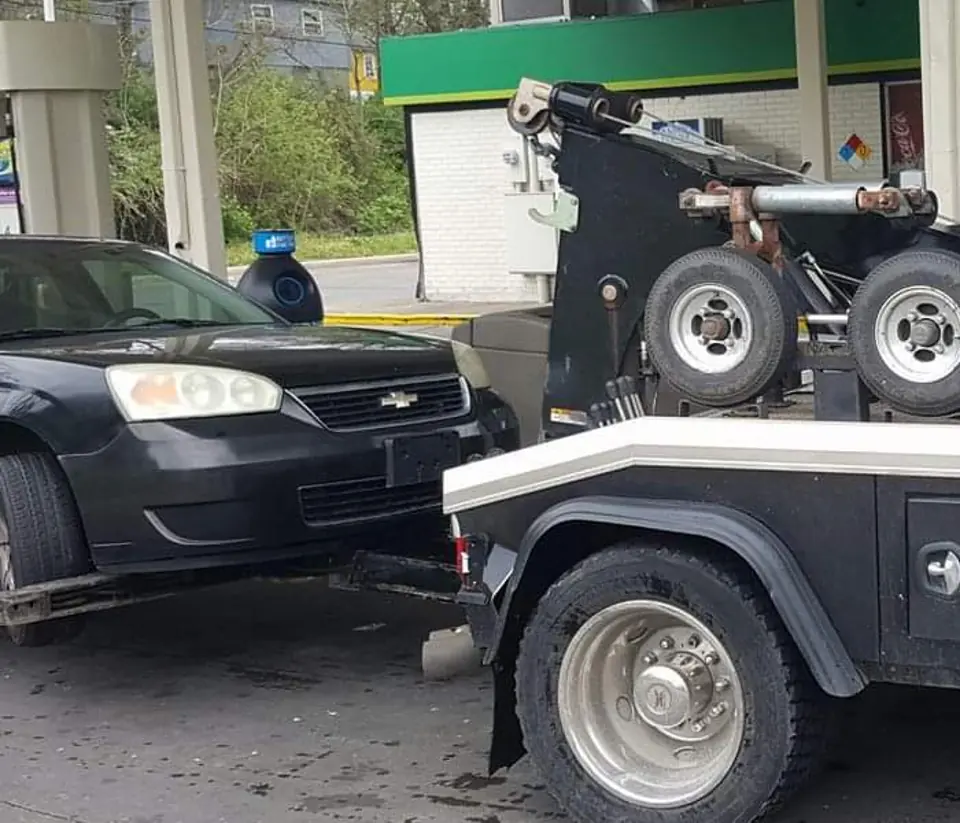
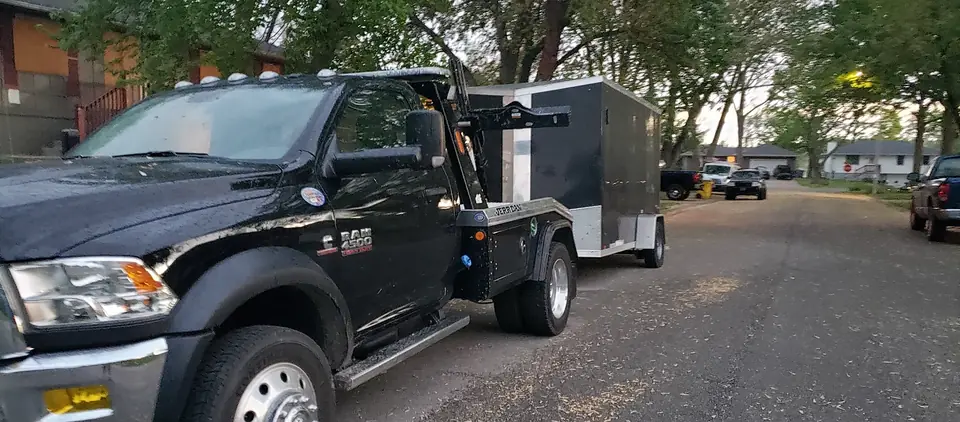
A passenger car, pickup, SUV, cargo van, or modified vehicle can present different access, clearance, mobility, tire, key, and equipment considerations. LRS reviews the assignment before confirming fit.
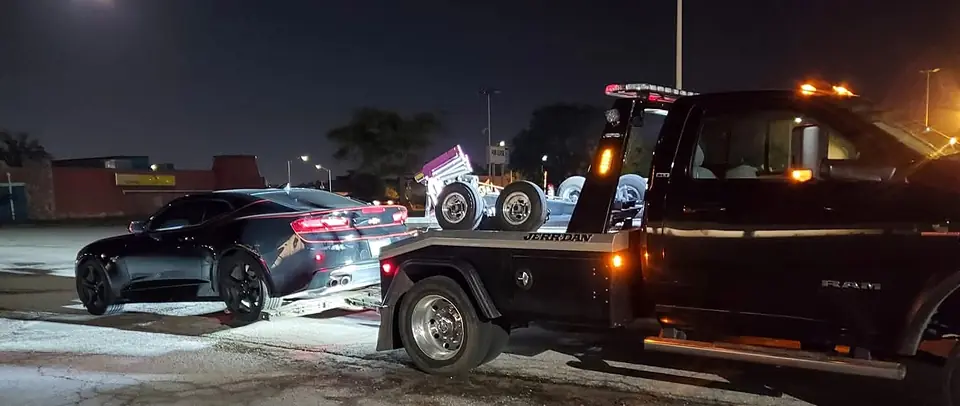
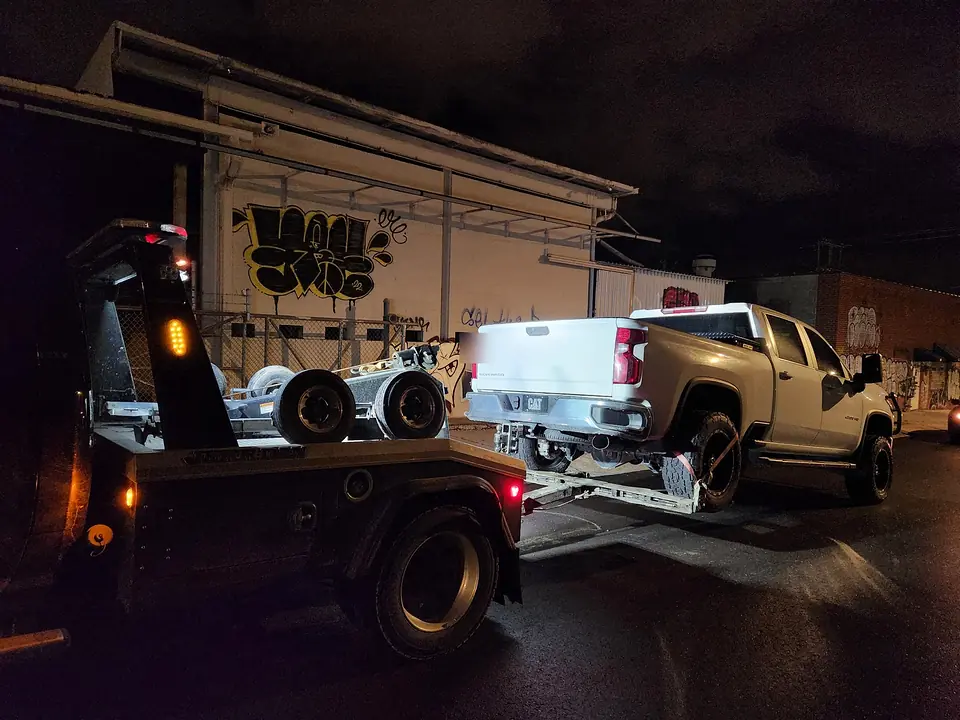
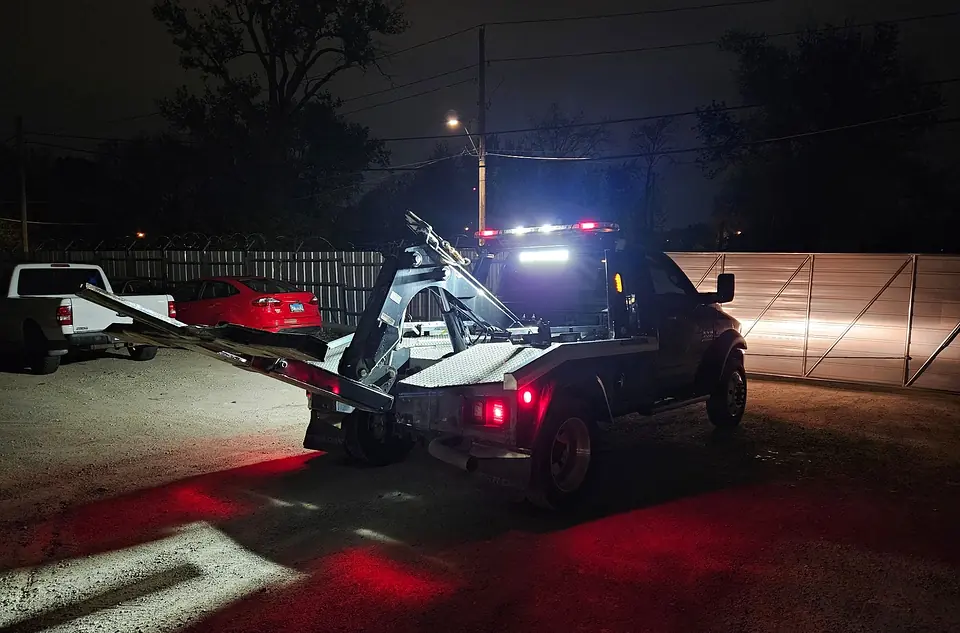
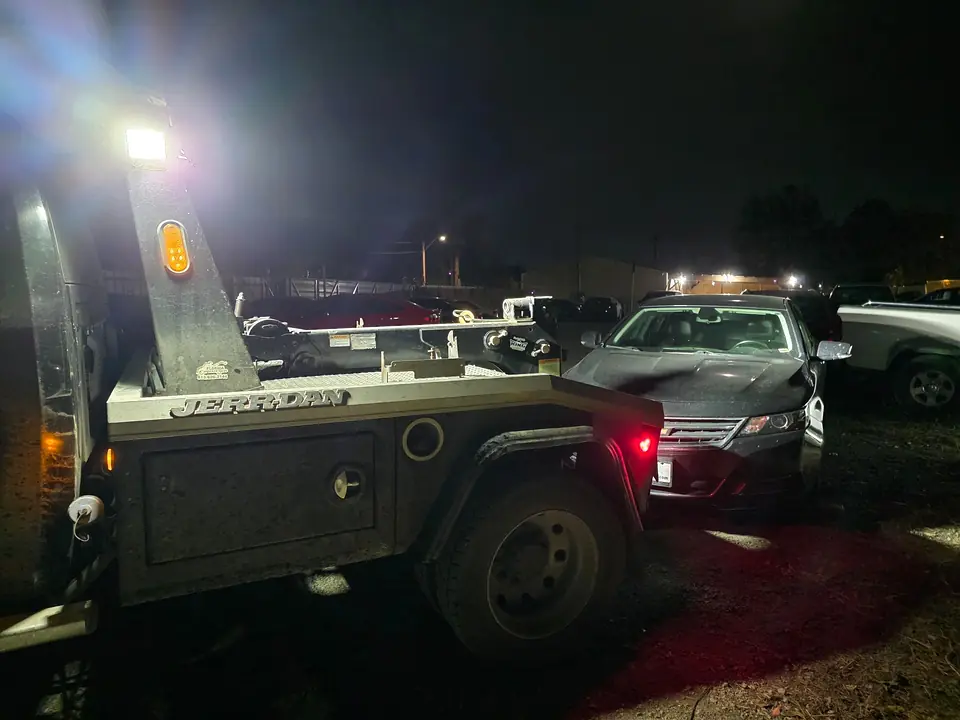
These operational photographs support the page’s description of real vehicle-recovery work without replacing the lender’s secure assignment process or item-specific acceptance review.
What the service includes
Service boundary: LRS acts on instructions from an authorized commercial client. General website forms should never contain debtor names, account numbers, VINs, or sensitive location information.
Why the approach matters
The relationship begins with the lending institution and an approved assignment channel.
LRS reviews collateral, access and transport needs before confirming equipment fit and assignment capacity.
Recovery information and condition photographs support the lender’s file.
How it works
A lender contacts LRS to confirm coverage and setup requirements.
Assignment details move through the approved lender channel—not a general inquiry form.
LRS reviews the assignment and conducts authorized field activity.
The lender receives recovery information and the next approved handling step is coordinated.
Recovery and handling planning
Vehicle class, size, modifications, access, operating condition, recovery equipment, storage, and approved destination all affect the field plan.
For an example of parking-space depth changing the recovery approach, see Lee's Summit lender recovery planning. The documented compact-SUV assignment required a modified setup before connection and securement.
Appropriate use cases
Routine recovery assignments involving financed passenger vehicles.
Local or regional institutions that need a recovery relationship in the Kansas City market.
Conventional vehicle-recovery assignments involving a lawful security interest in dealer-financed or title-secured retail collateral.
Organizations seeking defined regional coverage and direct local communication.
Collateral and assignment vocabulary
These categories help lenders describe an assignment accurately. Inclusion does not guarantee acceptance; capability, condition, lawful access, equipment, coverage, transport, storage, and destination must still be reviewed.
Vehicle recovery field conditions
Night work, lot access, nearby vehicles, lighting, surface conditions, and equipment positioning can influence the recovery and its documentation.
Assignment preparation
Protect sensitive data: Use the public form only to establish contact. VINs, account numbers, debtor details, exact locations, court documents, plate information, and access instructions belong in the approved secure assignment channel.
Service distinctions
Service-specific answers
Assignments should come from an authorized lender, servicer, forwarding organization, or other party with a lawful security interest and authority to assign the work.
This page focuses on conventional passenger vehicles, light-duty pickups, and vans that fit the standard recovery workflow. Commercially configured, oversized, recreational, powersports, or equipment collateral requires separate review.
No. Use the general form only to establish contact. Sensitive assignment details should be transmitted through the approved lender channel.
LRS documents the recovery and coordinates the next handling step according to the client’s approved instructions.
LRS serves lending institutions in the Kansas City region. Coverage is confirmed for each assignment before acceptance.
Continue evaluating
Published lender guidance
Regional service-area paths
These city pages add county, corridor, access, local-evidence, and assignment-fit context. They do not guarantee acceptance, timing, or a recovery result. Use the full coverage directory for other Missouri and Kansas markets.
Need Kansas City recovery coverage?