Assignment-specific use
Technology is used in support of a verified commercial recovery purpose.
Vehicle location technology
Kansas City-region camera-car and LPR support for authorized lender assignments, including dated observation review, lead evaluation, and field follow-up.
Designed for: Banks, credit unions, finance companies, loan servicers, and recovery forwarding partners.
The lender’s problem
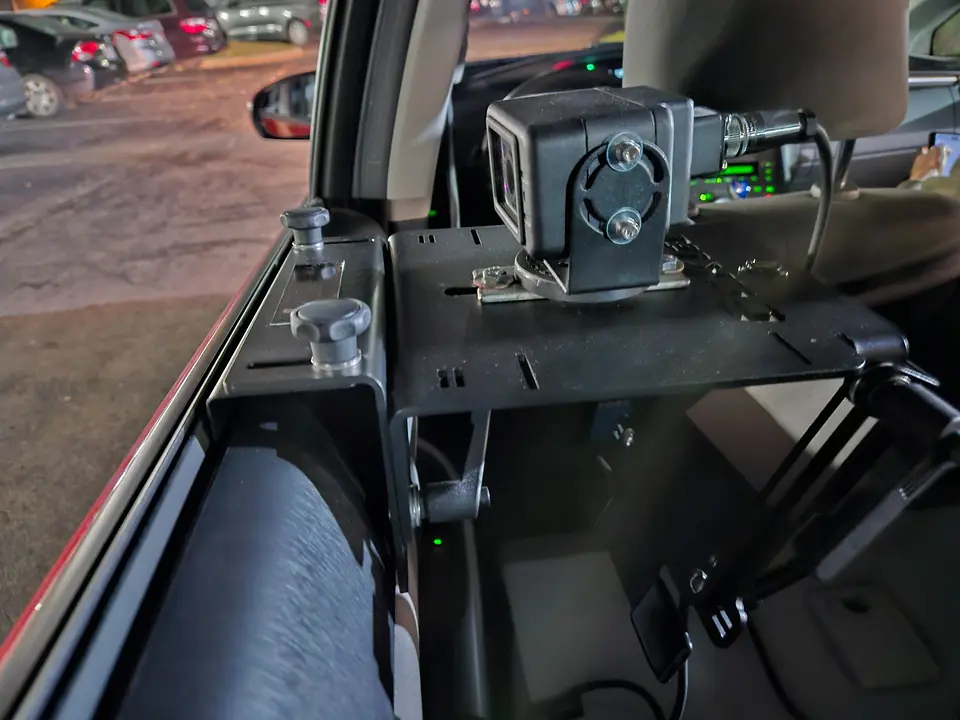
A camera-car or license-plate recognition lead can help connect mobile collateral with a more current location pattern, but a plate read is not the same as a guaranteed recovery location.
LRS treats technology-assisted information as one input in an authorized recovery workflow and evaluates how current, reliable, and actionable a lead appears.
Camera-car equipment and operations
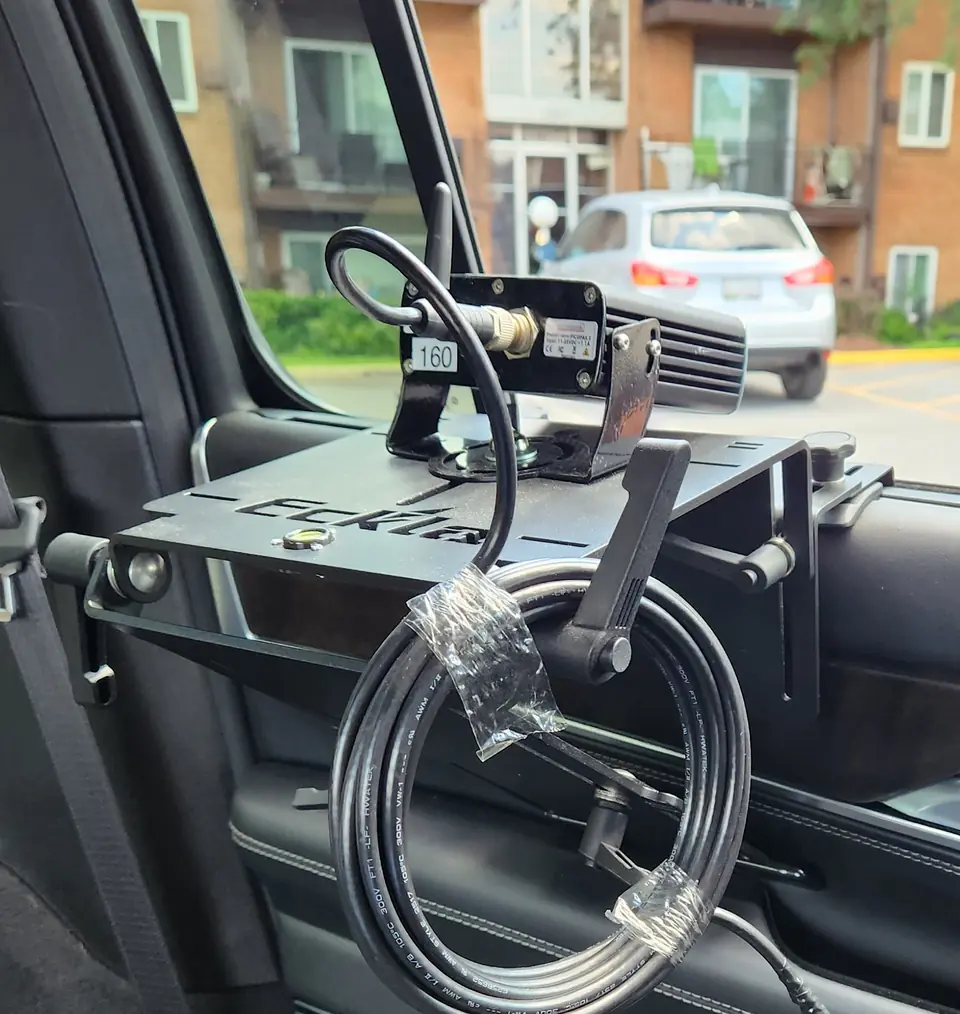
Camera placement, illumination, calibration, vehicle speed, angle, plate visibility, weather, and image quality can all affect whether an observation is usable for an authorized recovery assignment.
A dated observation is treated as a lead—not real-time tracking or proof that collateral remains at the same location. LRS evaluates recency, repetition, vehicle match, access, and field practicality before recommending the next step.
What the service includes
Service boundary: LPR availability, lawful access, permissible use, retention, and any vendor involvement must be confirmed for the assignment. No observation is real-time tracking or a guarantee of current location or recovery.
Why the approach matters
Technology is used in support of a verified commercial recovery purpose.
A read is considered by age, frequency, location context, and field practicality.
Field decisions are not reduced to a database hit alone.
How it works
The lender establishes authority and transmits data securely.
Approved leads are evaluated for recency and relevance.
Actionable information is considered with access and recovery conditions.
LRS reports meaningful progress and the next recommended step.
Day and night observation equipment
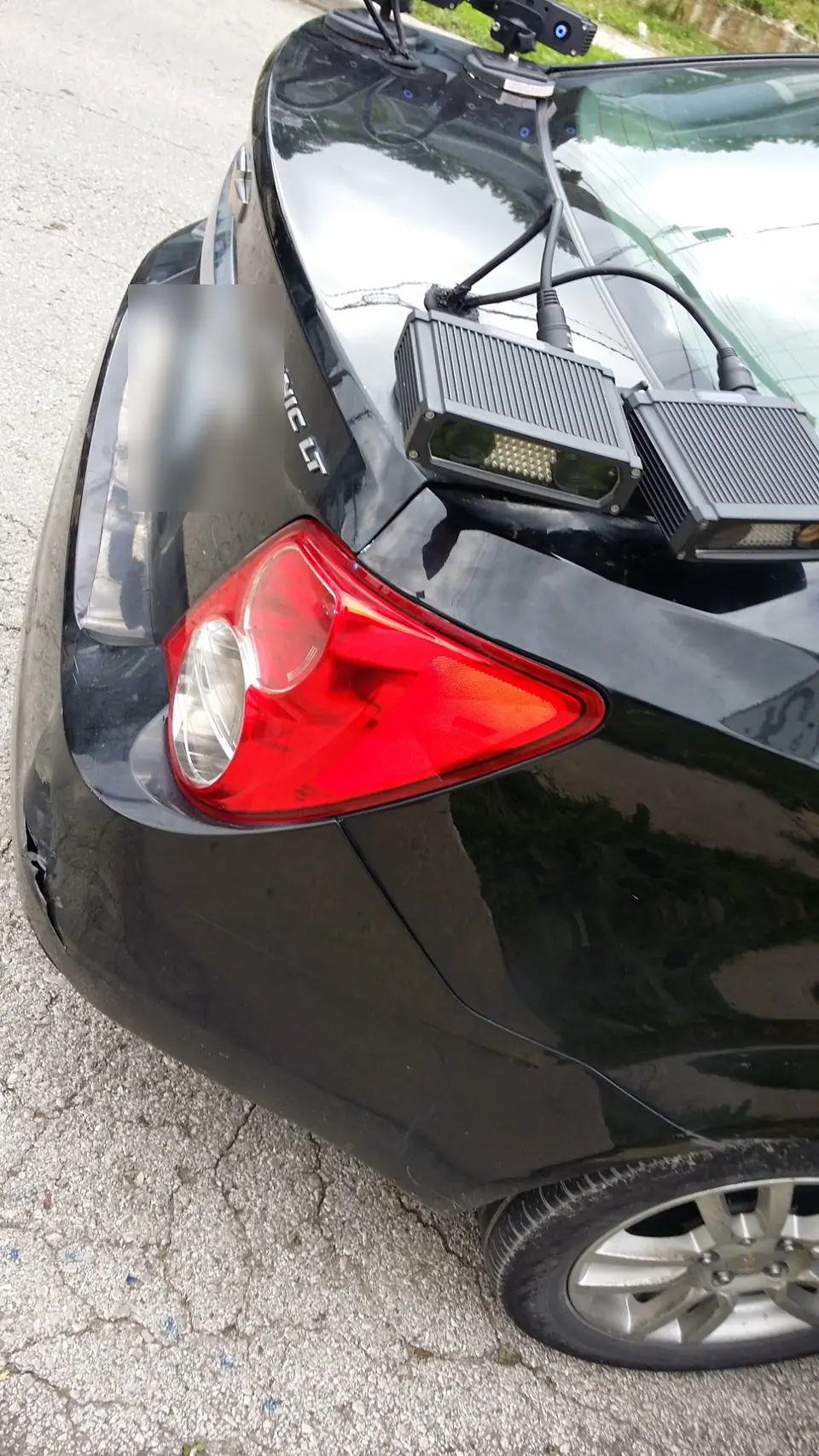
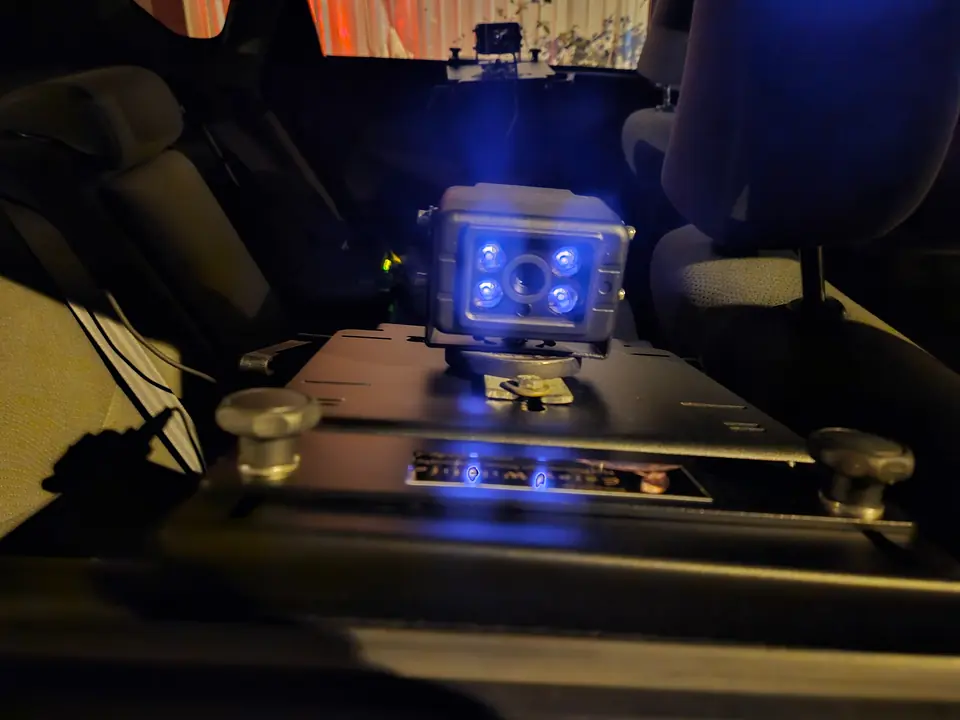
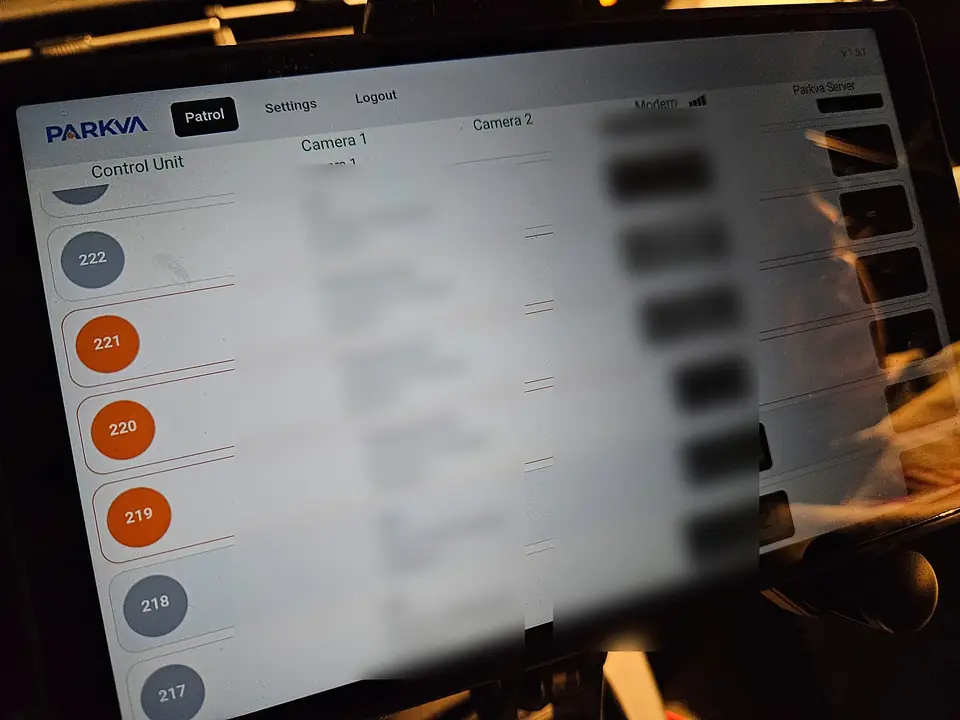
Exterior and interior camera systems may use different mounting positions, focal ranges, illumination, and capture angles. Equipment helps collect observations; authorized use, secure handling, and human evaluation determine whether a lead should influence recovery planning.
Appropriate use cases
The account address has not produced the collateral.
Multiple lawful observations may indicate a more useful recovery area.
Technology-assisted leads are considered within LRS coverage and assignment scope.
Collateral and assignment vocabulary
These categories help lenders describe an assignment accurately. Inclusion does not guarantee acceptance; capability, condition, lawful access, equipment, coverage, transport, storage, and destination must still be reviewed.
Observation review and data handling
An authorized camera-car workflow can organize dated observations for review, but an interface result is only a lead. Recency, vehicle match, location context, assignment scope, lawful access, and current field conditions still determine whether follow-up is appropriate.
LRS does not provide a public plate-search service. Sensitive identifiers belong in the approved secure lender channel, and current availability, retention, vendor involvement, and client-approved use must be confirmed for each assignment.
Assignment preparation
Protect sensitive data: Use the public form only to establish contact. VINs, account numbers, debtor details, exact locations, court documents, plate information, and access instructions belong in the approved secure assignment channel.
Service distinctions
Service-specific answers
Not necessarily. A hit reflects an observation at a particular time and place; its current usefulness depends on recency, pattern, and context.
No. This service is limited to authorized commercial recovery purposes and approved information channels.
No. It may help develop a lead, but location, access, movement, and other factors still affect recovery.
No. Sensitive collateral identifiers should be transmitted only after lender setup through the approved channel.
No. Availability and use depend on the assignment, current resources, and the client-approved scope.
Continue evaluating
Published lender guidance
Regional service-area paths
These city pages add county, corridor, access, local-evidence, and assignment-fit context. They do not guarantee acceptance, timing, or a recovery result. Use the full coverage directory for other Missouri and Kansas markets.
Need Kansas City recovery coverage?