No one-size-fits-all promise
The unit is reviewed before LRS represents that it can be handled.
Commercial collateral
Item-by-item recovery review for financed commercial trucks, truck tractors, trailers, and commercially configured road units in the Kansas City region.
Designed for: Commercial lenders, equipment finance companies, banks, credit unions, and servicing partners.
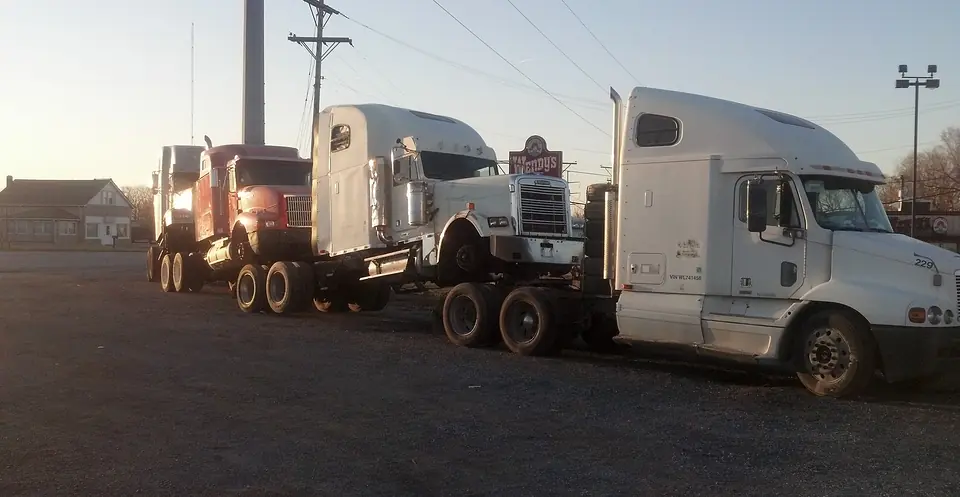
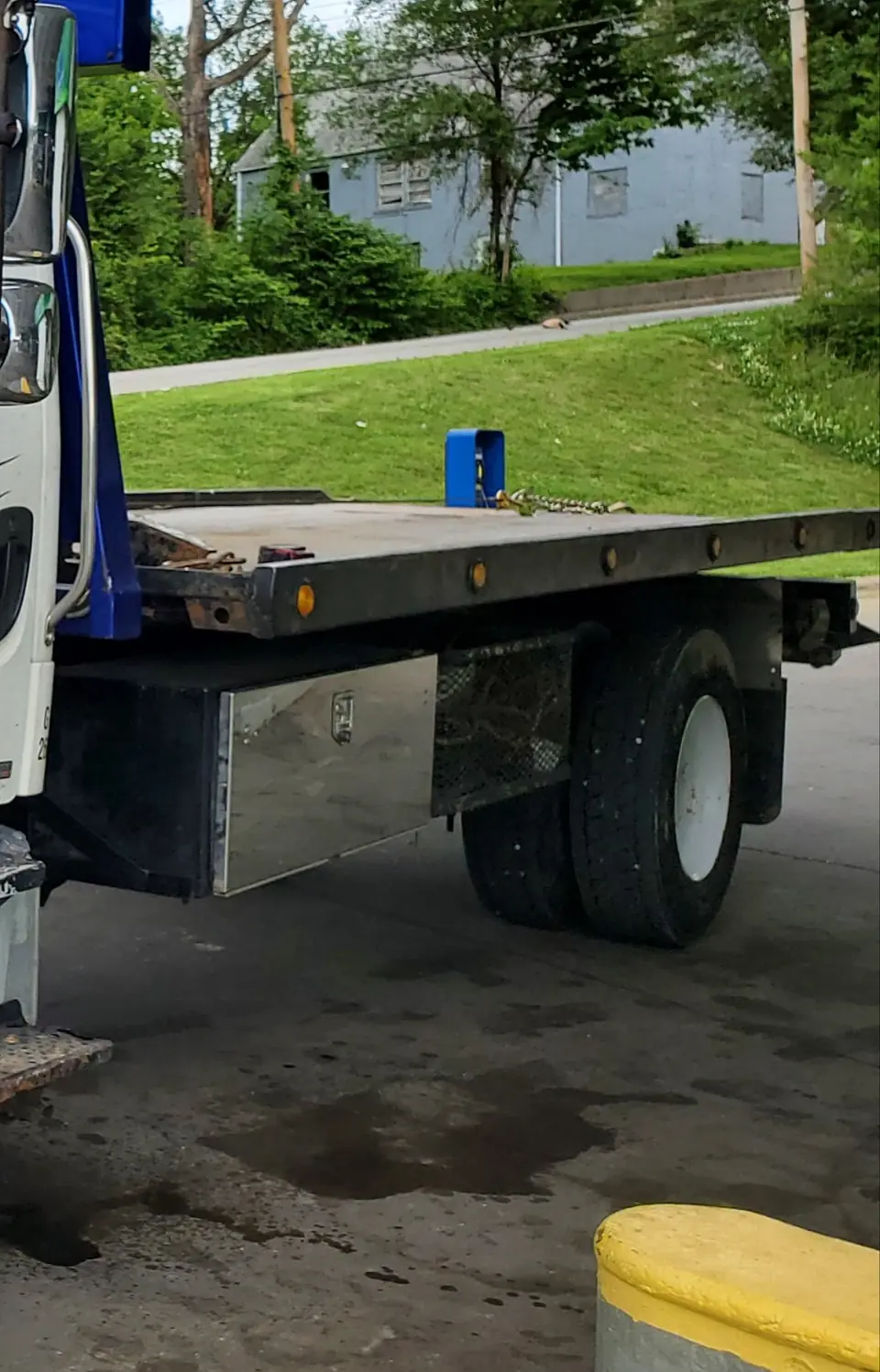
Commercial collateral review
A road tractor, straight truck, service body, detached trailer, or vehicle transporter can present a different combination of size, weight, mobility, coupling, braking, access, loading, and destination requirements.
LRS reviews the specific unit and field conditions before confirming capability. VINs, borrower data, exact locations, and access instructions should move only through an approved secure assignment channel.
The lender’s problem
A truck or trailer may differ substantially from a passenger vehicle in size, configuration, access, operating condition, and transport requirements.
LRS begins with a collateral and location review so the lender receives a realistic determination of capability, coverage, movement requirements, transport, storage, and destination fit.
Movement and transport planning
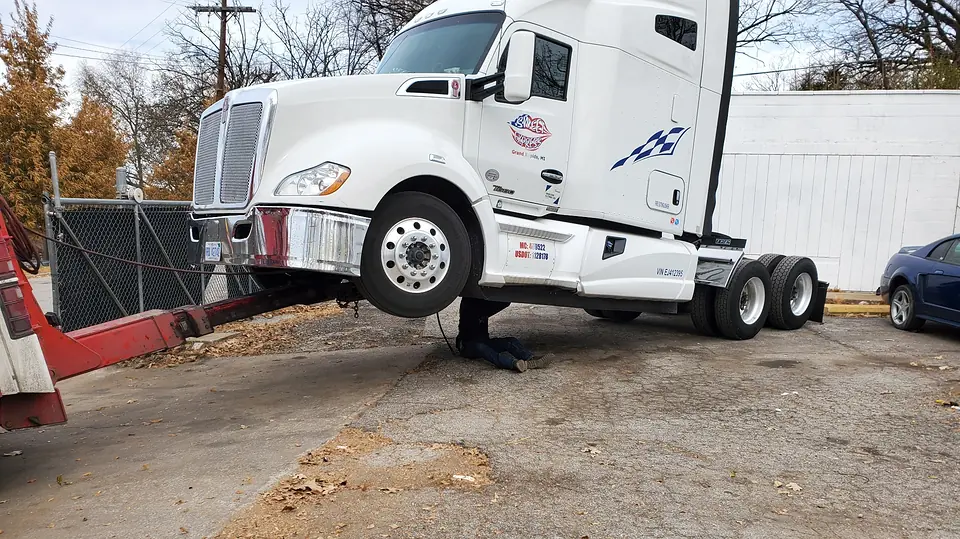
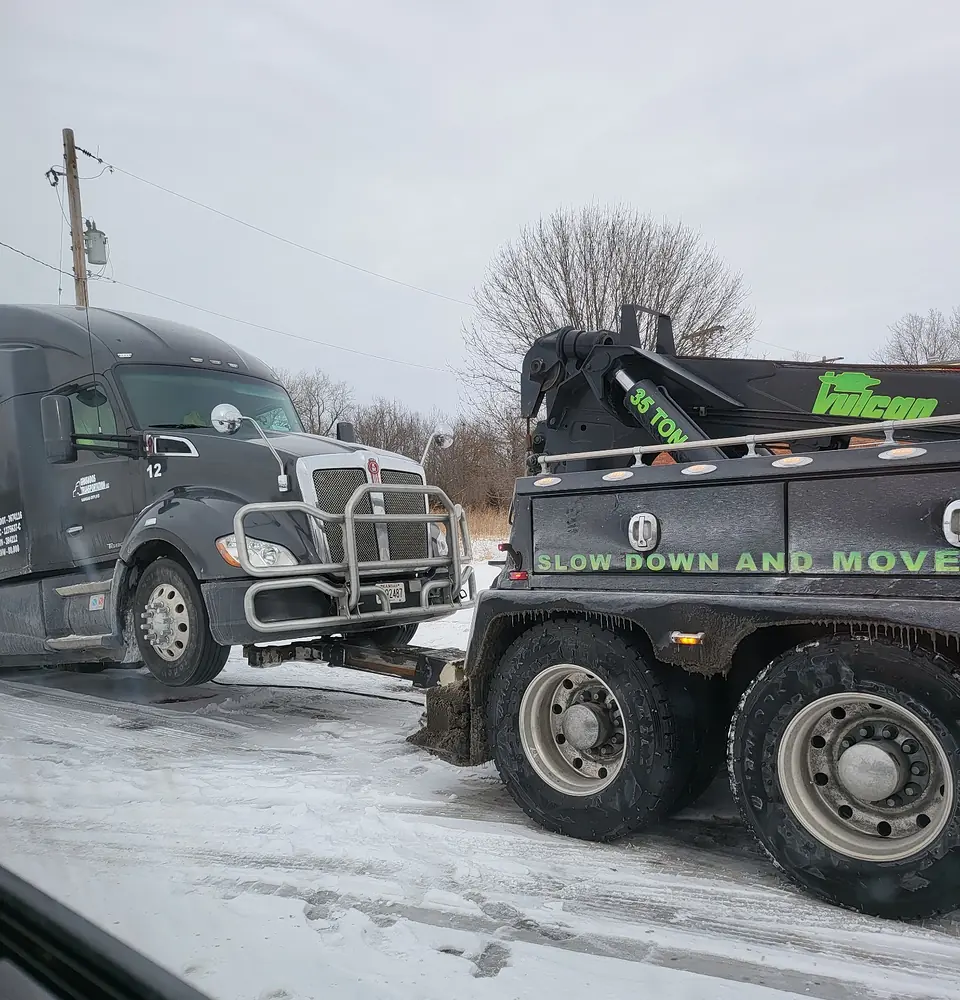
Commercial recovery photographs help show why configuration, mobility, route, equipment, storage, and receiving instructions must be resolved before an assignment is accepted.
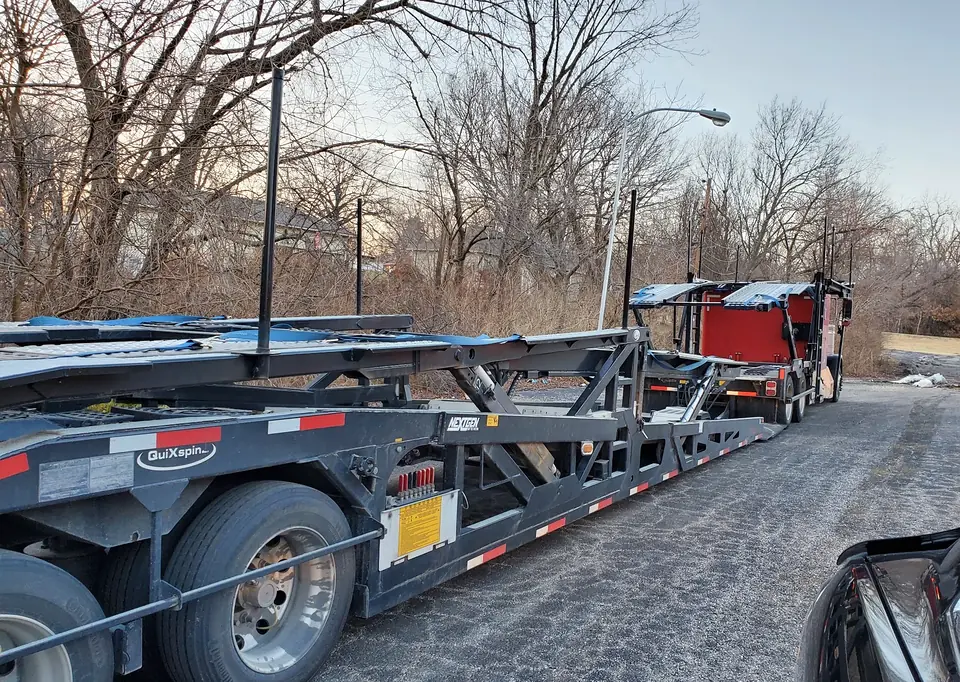
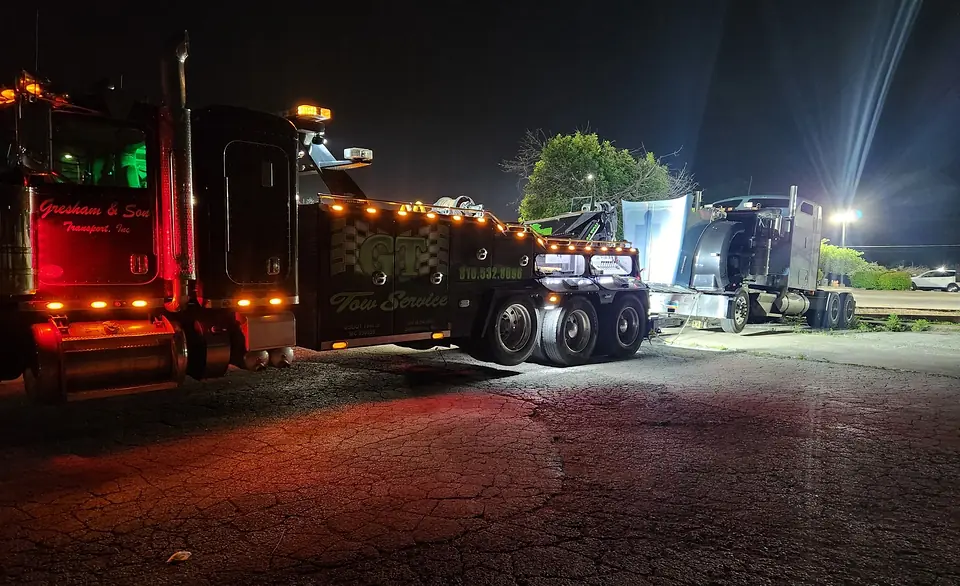
What the service includes
Service boundary: Acceptance is determined item by item based on authority, configuration, dimensions, condition, location, lawful access, equipment, transport, storage, and destination. Oversized movement, specialty hauling, permits, lifting, dismantling, and hazardous conditions are excluded unless expressly reviewed and accepted.
Commercial recovery field conditions
Operating condition, weather, trailer configuration, lawful access, and equipment availability all belong in the lender’s assignment review.

Why the approach matters
The unit is reviewed before LRS represents that it can be handled.
The assignment is discussed in terms of collateral, access, custody, and disposition needs.
Transport, storage, and destination requirements are identified before LRS accepts a commercial unit.
How it works
Provide general collateral class and recovery area during initial contact.
LRS evaluates dimensions, configuration, access, mobility, and equipment needs.
Transport method, storage, receiving location, authorization, and the secure communication channel are established before acceptance.
Accepted work is performed and documented according to client instructions.
Appropriate use cases
Commercial pickups, service bodies, and similar business-use road vehicles.
Assignment-specific review for larger road equipment and detached trailers.
Single-unit or multi-unit commercial accounts requiring an organized review.
Collateral and assignment vocabulary
These categories help lenders describe an assignment accurately. Inclusion does not guarantee acceptance; capability, condition, lawful access, equipment, coverage, transport, storage, and destination must still be reviewed.
Assignment preparation
Protect sensitive data: Use the public form only to establish contact. VINs, account numbers, debtor details, exact locations, court documents, plate information, and access instructions belong in the approved secure assignment channel.
Service distinctions
Service-specific answers
No. Each assignment requires review of the unit, condition, location, access, and equipment requirements.
The collateral class, approximate size, current operating condition, general recovery area, and known access constraints are useful. Sensitive identifiers should wait for the approved channel.
Possibly, but each non-running or unusually configured unit is evaluated individually for dimensions, condition, location, access, and required equipment.
No transport scope is assumed. Route, equipment, authorization, storage, destination, permits when applicable, and any third-party involvement must be expressly reviewed and accepted.
Trailer assignments may be reviewed, but hitch type, loading, condition, access, and transport requirements must be confirmed.
LRS serves the Kansas City region. The location and operating requirements must be confirmed before an assignment is accepted.
Continue evaluating
Published lender guidance
Regional service-area paths
These city pages add county, corridor, access, local-evidence, and assignment-fit context. They do not guarantee acceptance, timing, or a recovery result. Use the full coverage directory for other Missouri and Kansas markets.
Need Kansas City recovery coverage?