Asset-specific evaluation
The recovery plan starts with the actual machine, not a generic vehicle workflow.
Equipment finance support
Case-by-case recovery review for financed construction equipment and jobsite collateral in the Kansas City region.
Designed for: Equipment finance companies, banks, credit unions, commercial lenders, and servicing organizations.
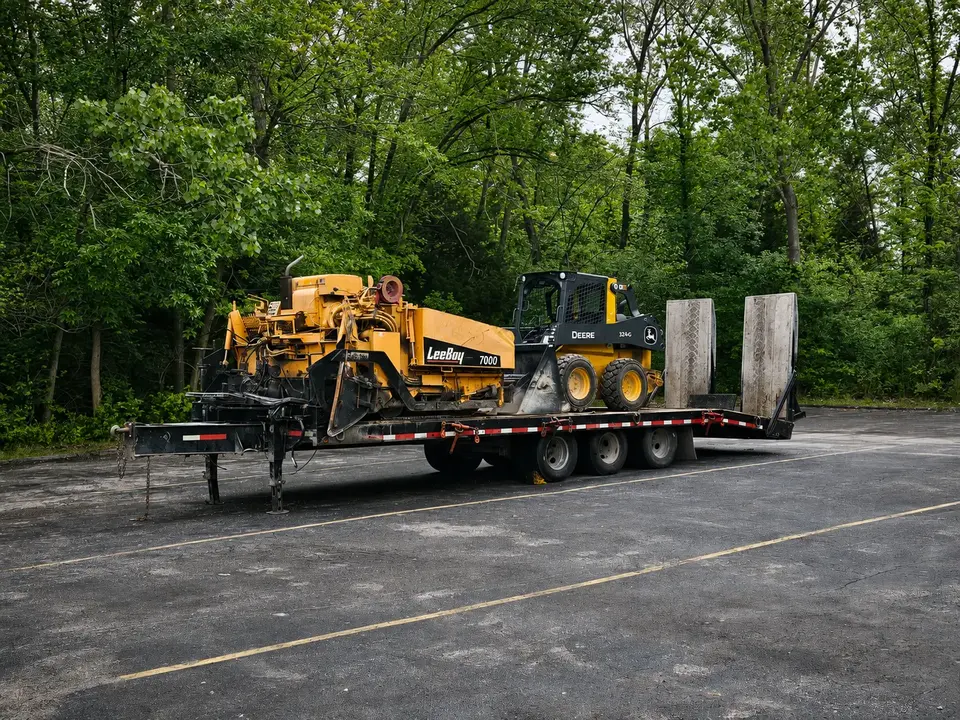
The lender’s problem
Construction assets may be located on active jobsites, rural property, secured yards, or locations with limited access. Weight, mobility, attachments, and transport requirements can change the recovery plan.
LRS provides an initial case review focused on the asset, lawful access, current location conditions, movement method, transport, storage, destination, and the resources needed to complete an accepted assignment.
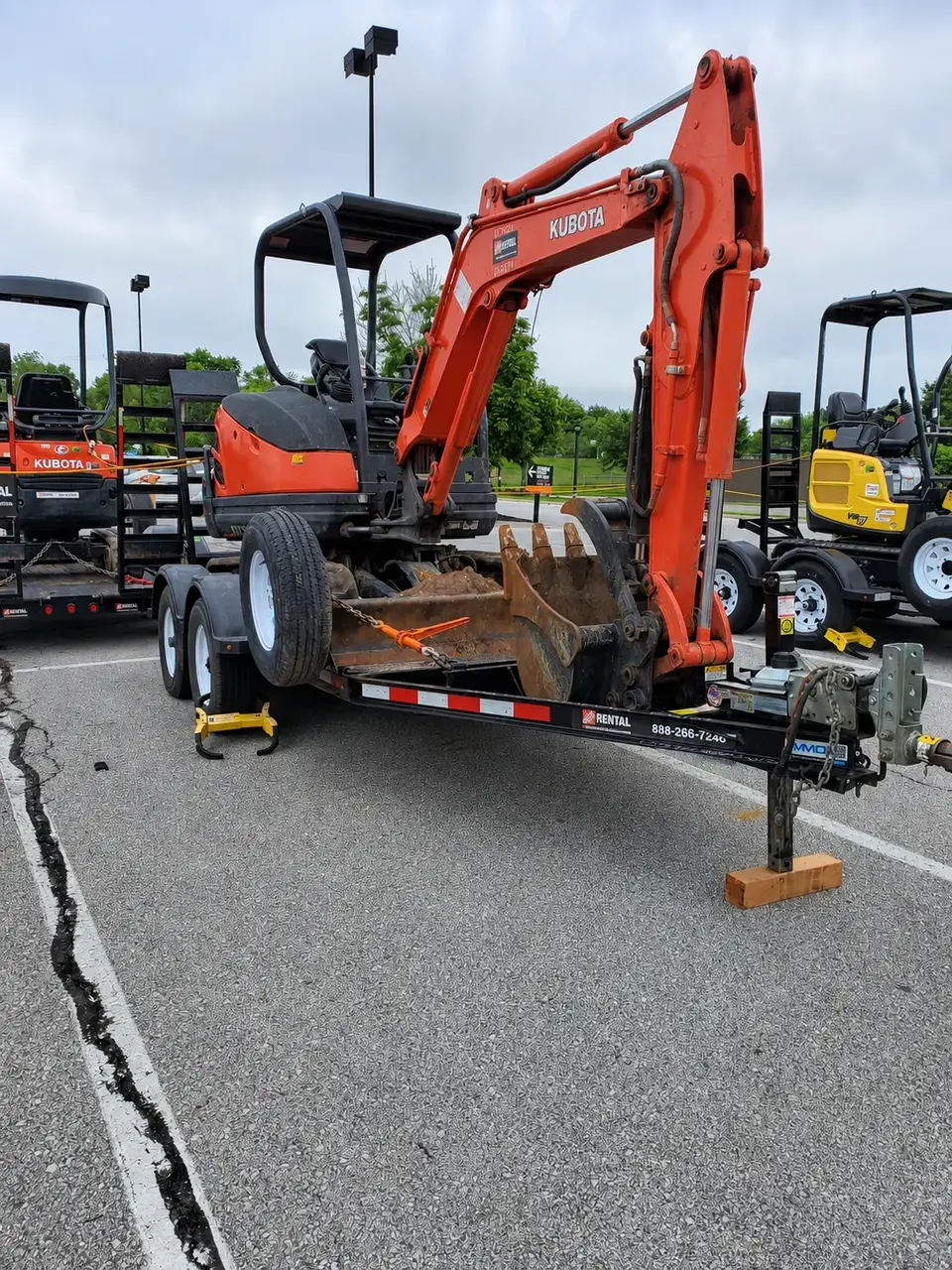
Machine-specific review
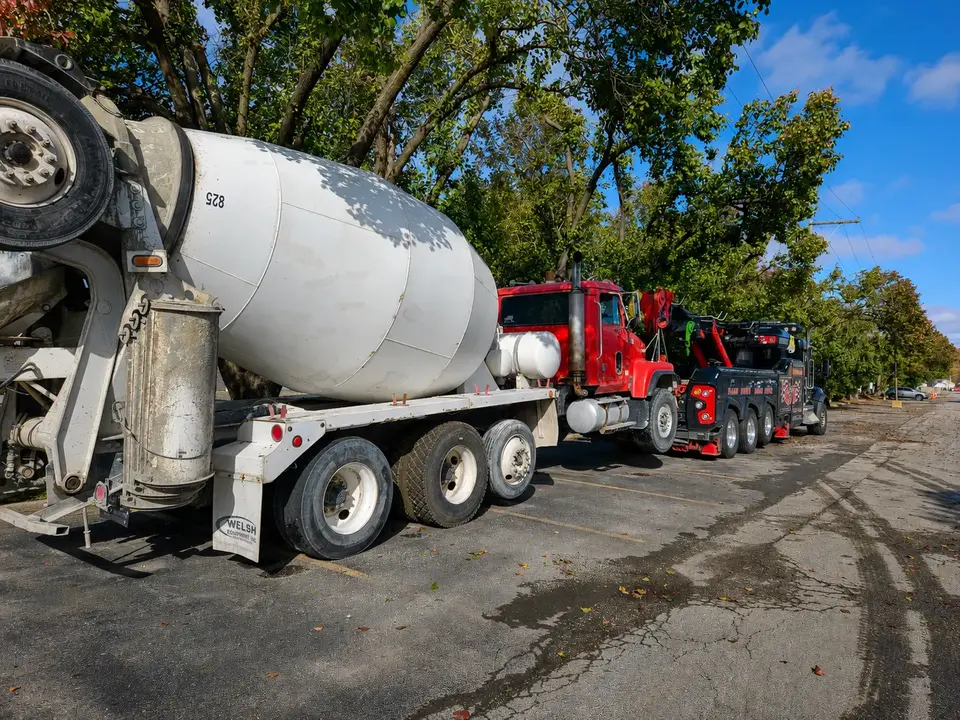
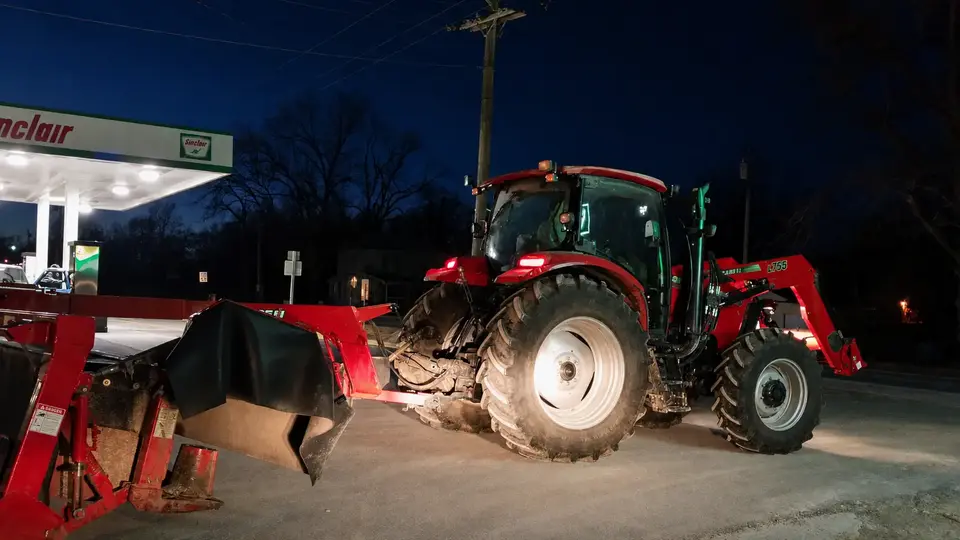
A compact excavator, paving machine, tractor, or commercial road unit can present a different combination of weight, mobility, controls, attachments, loading needs, access conditions, and destination requirements.
Initial contact can establish general fit. Protected assignment details, exact locations, serial information, and borrower data should move only through the approved secure channel.
What the service includes
Service boundary: No equipment class is automatically accepted. Capability, dimensions, condition, lawful access, loading, transport, storage, and destination must be confirmed item by item. Locked structures, active-jobsite hazards, dismantling, lifting, oversized movement, and specialized transport are excluded unless expressly reviewed and accepted.
Why the approach matters
The recovery plan starts with the actual machine, not a generic vehicle workflow.
Known access, condition, and movement issues are discussed before field work.
Loading, transport, storage, and destination needs are identified before field activity is accepted.
How it works
Begin with a general description, location region, and known mobility.
LRS reviews access, size, attachments, keys, operating condition, and movement needs.
The lender receives confirmation of capability, movement method, transport, storage, destination, and the approved communication path.
Field work and post-recovery handling follow the accepted assignment scope.
Movement planning
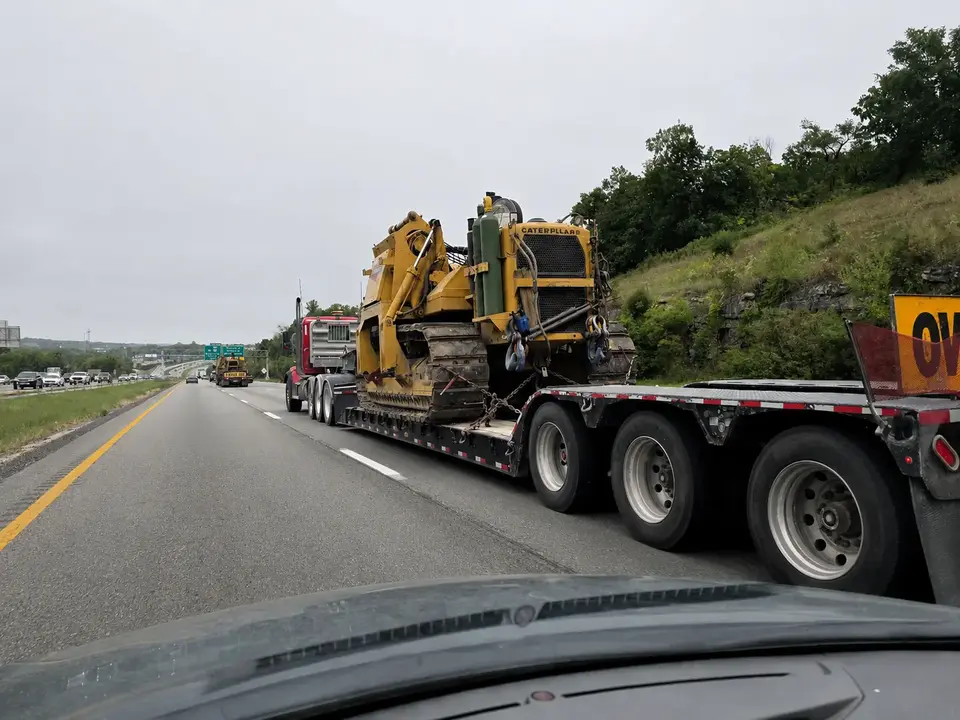
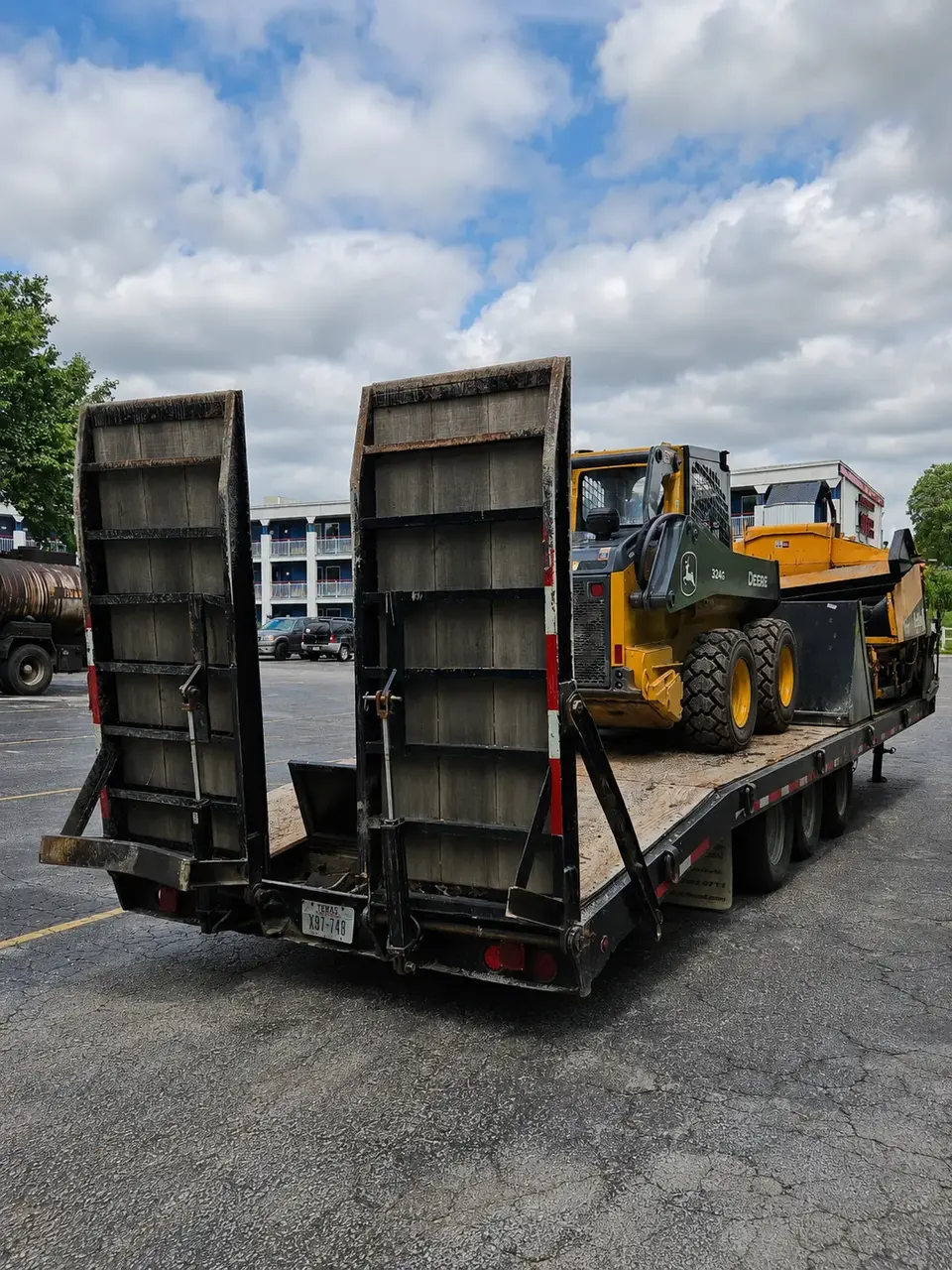
These photographs illustrate why loading, securement, transport, storage, route, and destination must be reviewed before an assignment is accepted.
Appropriate use cases
Skid steers, compact loaders, and similar assets may be considered after review.
Recovery planning for equipment where access and active-site conditions matter.
Cases involving buckets, implements, or separate attachments requiring an inventory discussion.
Collateral and assignment vocabulary
These categories help lenders describe an assignment accurately. Inclusion does not guarantee acceptance; capability, condition, lawful access, equipment, coverage, transport, storage, and destination must still be reviewed.
Assignment preparation
Protect sensitive data: Use the public form only to establish contact. VINs, account numbers, debtor details, exact locations, court documents, plate information, and access instructions belong in the approved secure assignment channel.
Service distinctions
Field conditions
Operational setting, unit configuration, condition, and access all belong in the assignment review.
Service-specific answers
Potential assignments are reviewed individually. The specific machine, size, mobility, location, and transport requirements determine whether LRS can accept the work.
Any assignment must be lawful and peaceable. Site access, authority, safety conditions, and operational constraints require review before field activity.
Non-running equipment may require specialized loading or transport. Capability and cost factors must be confirmed for the individual asset.
Attachments should be clearly identified in the lender’s assignment and reviewed as separate collateral items when appropriate.
Storage is not automatically included. Configuration, access, handling, anticipated duration, transport, destination, and release instructions must be confirmed for each accepted assignment.
No single public cutoff is used. Each asset is evaluated by configuration, dimensions, condition, access, movement requirements, transport, storage, destination, and available resources.
It may be submitted for review, but transport providers, equipment, route, authorization, cost, insurance documentation, permits when applicable, and destination must be confirmed before any such scope is accepted.
Continue evaluating
Published lender guidance
Regional service-area paths
These city pages add county, corridor, access, local-evidence, and assignment-fit context. They do not guarantee acceptance, timing, or a recovery result. Use the full coverage directory for other Missouri and Kansas markets.
Need Kansas City recovery coverage?