Trailer-aware intake
Hitch, tires, registration, keys, and trailer condition are part of the review.
Recreational collateral
Kansas City-region recovery review for financed motorhomes, fifth wheels, travel trailers, trailered boats, and related recreational assets.
Designed for: Marine and RV lenders, banks, credit unions, finance companies, and servicing partners.
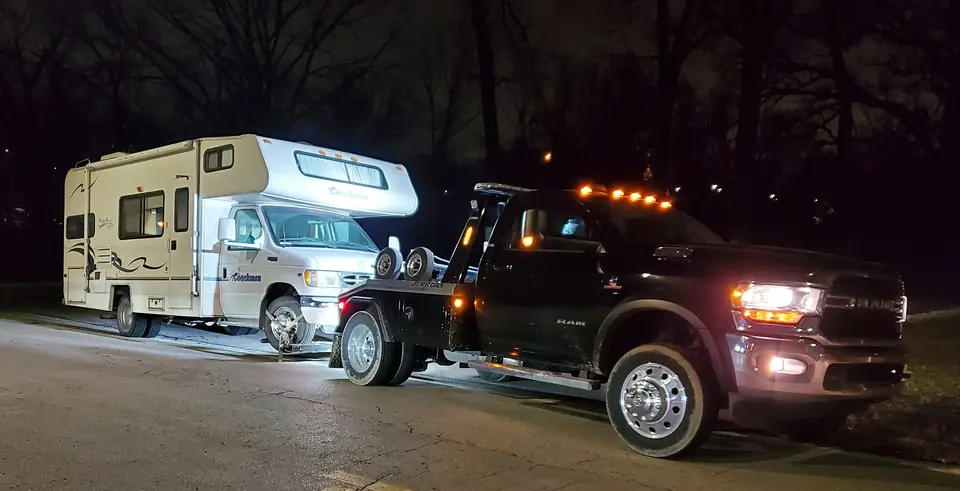
The lender’s problem
A travel trailer, fifth wheel, motorhome, boat, or marine trailer can introduce title, location, hitch, mobility, dimension, storage, access, and transport questions.
LRS uses a case-by-case review to determine whether the collateral and recovery environment match available resources.
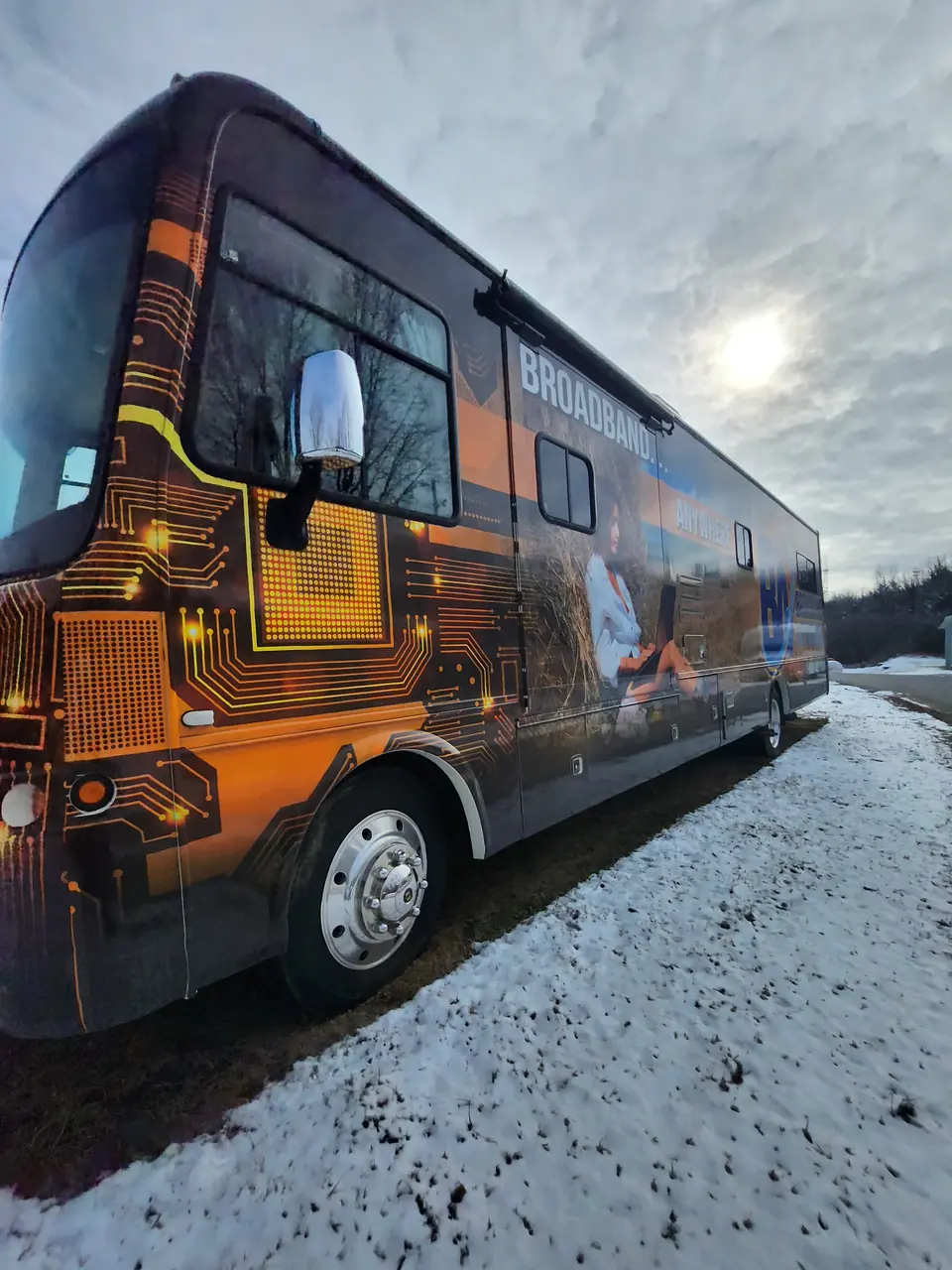
RV-specific recovery planning
A self-propelled motorhome can introduce engine, battery, brake, tire, steering, clearance, weight, route, and heavy-duty equipment questions. A fifth wheel or travel trailer adds hitch, landing-gear, axle, slide-out, and tow-vehicle considerations.
LRS reviews the specific recreational asset, lawful access, current condition, receiving instructions, and available resources before representing assignment fit.
What the service includes
Service boundary: In-water recovery, vessel launching, marina operations, oversized movement, specialized trailers, lifting, and long-term storage are excluded unless expressly reviewed and accepted.
Why the approach matters
Hitch, tires, registration, keys, and trailer condition are part of the review.
The boat, trailer, motorhome, or travel trailer is evaluated as the actual collateral described.
Specialized needs are identified before an assignment is accepted.
How it works
Identify whether the assignment involves a motorhome, towable RV, boat, trailer, or combination.
Discuss dimensions, keys, hitch, tires, mobility, and current environment.
LRS determines whether the assignment fits current resources or requires additional coordination.
Recovery and documentation follow the agreed handling instructions.
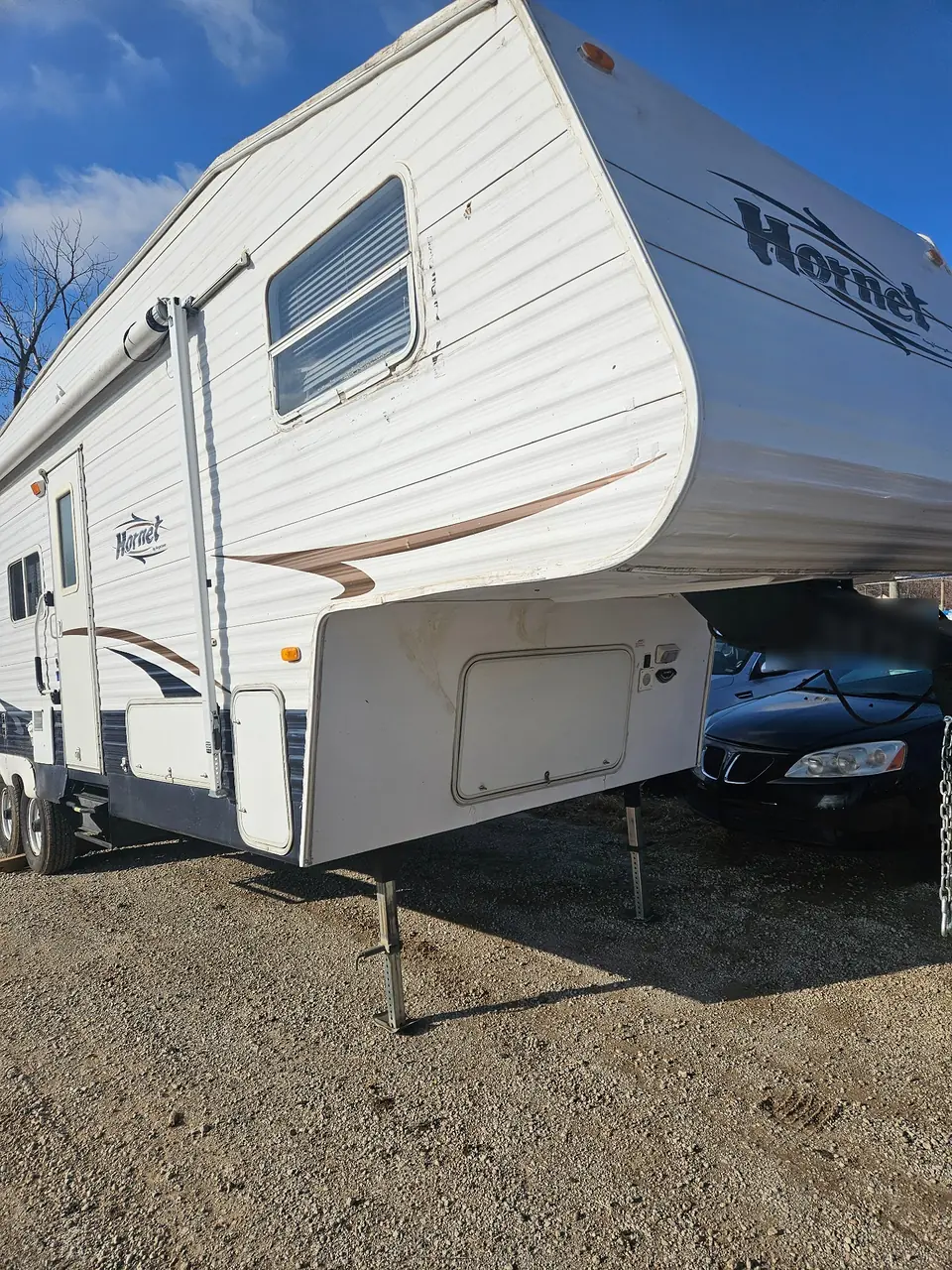
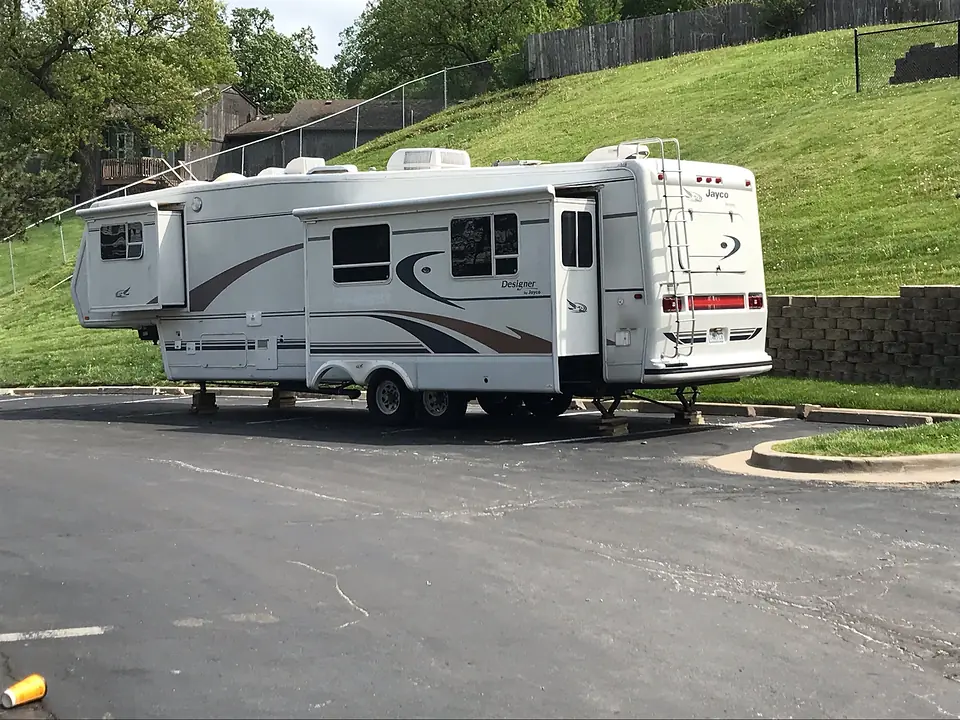
Towable RV condition review
Fifth-wheel and travel-trailer assignments depend on accurate dimensions, hitch type, landing gear, tires, axles, brakes, slide-outs, appendages, roadworthiness, surface conditions, and a lawful route out.
Appropriate use cases
Travel trailers and similar assets with known hitch and rolling condition.
Self-propelled recreational vehicles reviewed for size and mobility.
Marine collateral where both vessel and trailer status can be established.
Collateral and assignment vocabulary
These categories help lenders describe an assignment accurately. Inclusion does not guarantee acceptance; capability, condition, lawful access, equipment, coverage, transport, storage, and destination must still be reviewed.
Boat and trailer collateral
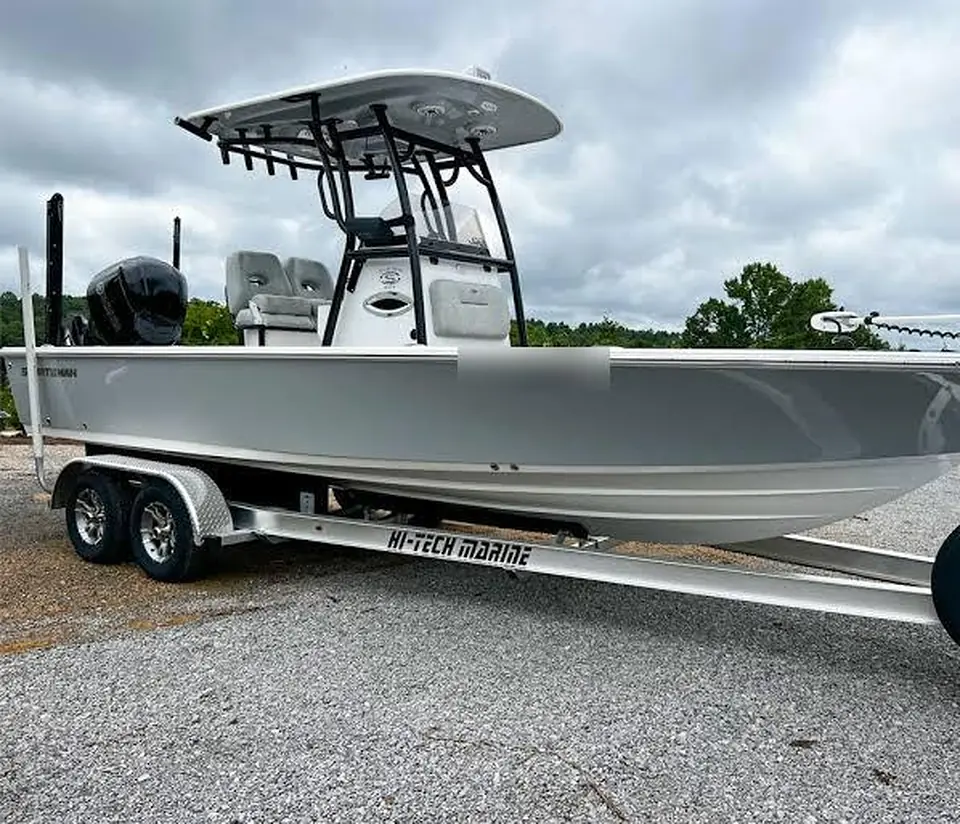
A trailered boat assignment should distinguish the vessel, motor, marine trailer, identifiers, ownership scope, condition, dimensions, access, storage, and approved destination. In-water recovery, launching, lifting, and marina operations require separate review and acceptance.
The accompanying boat image is representative collateral imagery and is not presented as documentation of a completed LRS recovery.
Assignment preparation
Protect sensitive data: Use the public form only to establish contact. VINs, account numbers, debtor details, exact locations, court documents, plate information, and access instructions belong in the approved secure assignment channel.
Service distinctions
Service-specific answers
In-water recovery, vessel launching, and marina operations are excluded unless the exact scope, authority, vessel condition, trailer availability, access, and required resources are expressly reviewed and accepted.
Approximate length, hitch type, tire and axle condition, keys, slide-out status, location, and access are useful for the initial review.
Possibly, but size, condition, access, and specialized transport needs determine feasibility.
Storage capacity and cost factors must be confirmed for each large recreational asset.
Yes. The assignment should distinguish each secured asset and provide the applicable identifiers through the secure channel.
Continue evaluating
Published lender guidance
Regional service-area paths
These city pages add county, corridor, access, local-evidence, and assignment-fit context. They do not guarantee acceptance, timing, or a recovery result. Use the full coverage directory for other Missouri and Kansas markets.
Need Kansas City recovery coverage?