One recovery conversation
The lender can discuss release status, transport, and post-release handling together.
Lienholder support
Kansas City-region release coordination and vehicle recovery support for secured lenders with collateral held by an impound, tow lot, repair shop, or storage yard.
Designed for: Banks, credit unions, auto finance companies, loan servicers, and other lienholders.
The lender’s problem
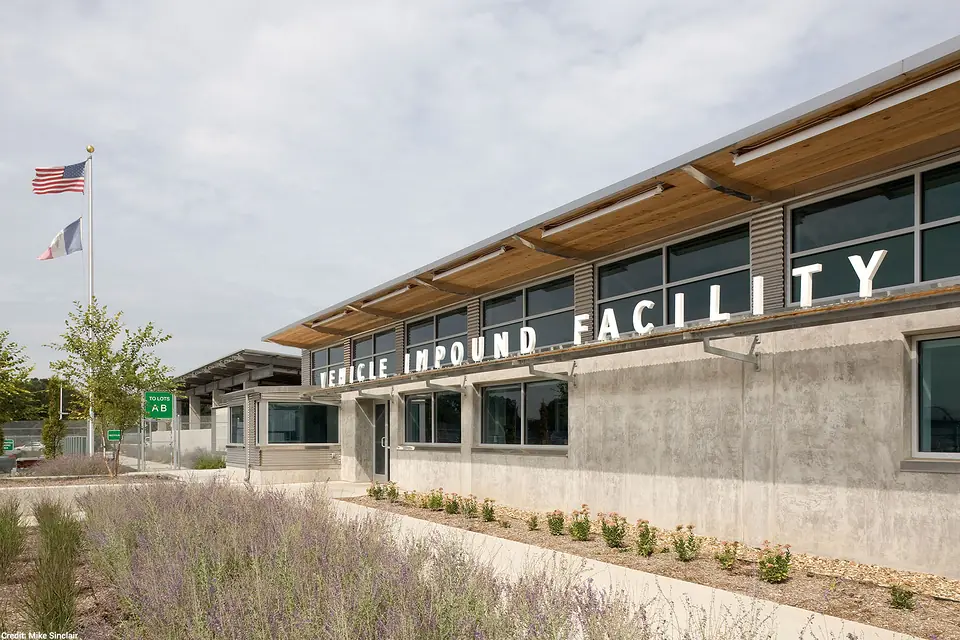
A lender may learn that its collateral is held by a police tow contractor, municipality, private tow facility, repair shop, or another third party. Release requirements, fees, proof of interest, and transport all need to be coordinated.
LRS can review the situation with the lender, identify the known custody location and release conditions, and define what recovery assistance can be provided.
Release and access coordination
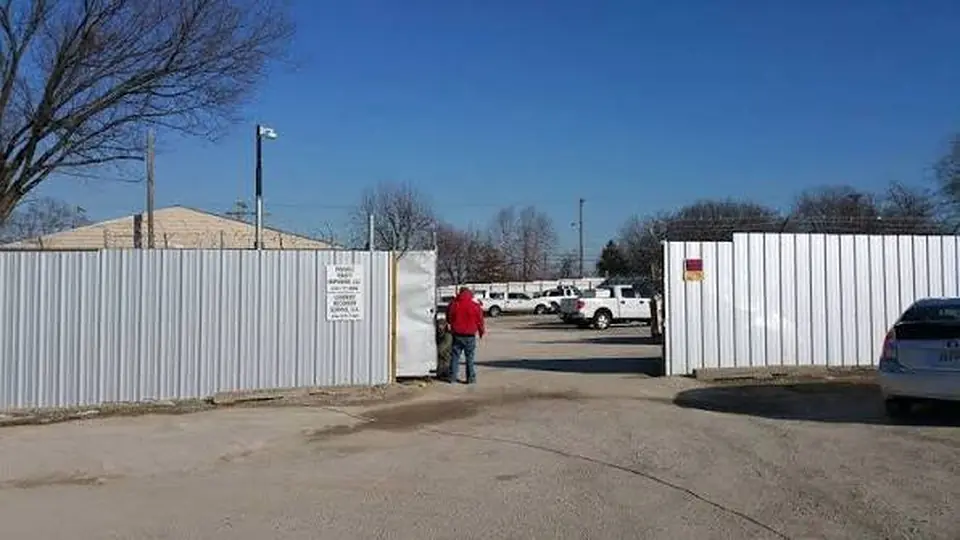
Impound-lot pickup can depend on an agency hold, proof of lien, lender authorization, identification, payment, an appointment window, keys, personal-property procedures, and the facility’s own release rules.
After release is authorized, LRS reviews vehicle condition, access, loading needs, transport, destination, and documentation before confirming an accepted recovery scope.
Kansas City municipal impound experience
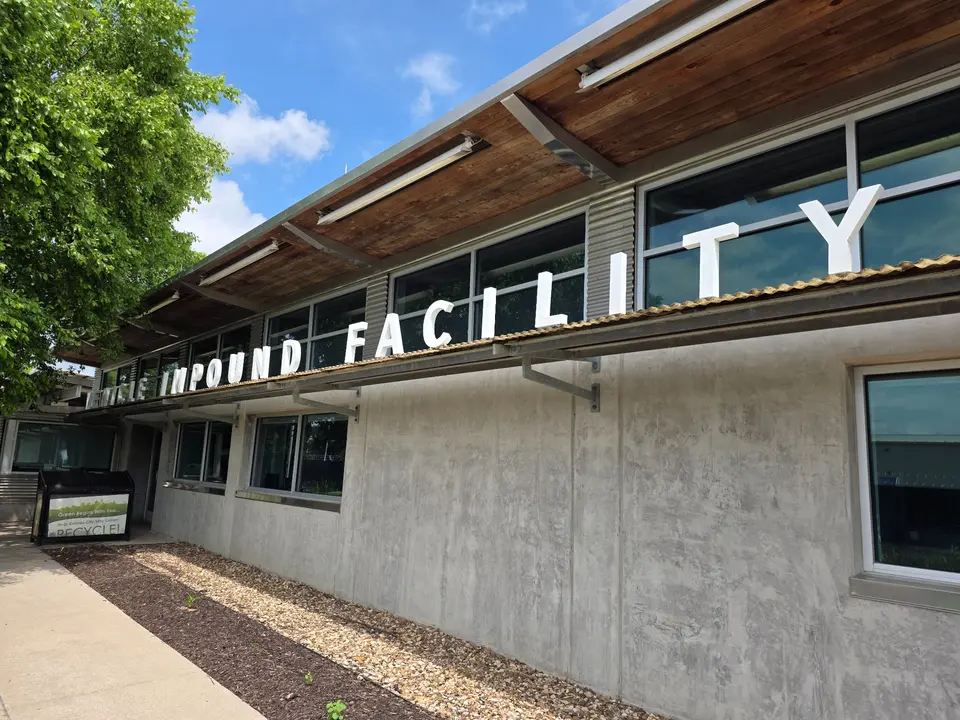
For more than 15 years, Lenders Recovery Service has routinely recovered lender-assigned vehicles from the Kansas City, Missouri Tow Lot for numerous lender clients after the facility’s required release process is complete.
Each pickup remains file-specific: the facility controls its release status and requirements, the lender supplies the required authority and documents, and LRS reviews condition, keys, access, equipment, transport, and the lender-directed destination before accepting the recovery scope.
What the service includes
Service boundary: LRS cannot waive facility charges, override a legal hold, provide legal advice, or guarantee release. The holding facility controls its requirements and the lender remains responsible for required authorization and documentation.
Why the approach matters
The lender can discuss release status, transport, and post-release handling together.
Known lienholder and facility requirements can be identified before dispatch.
Visible condition can be documented when custody transfers.
How it works
Identify the facility and any known hold or release status.
The lender and facility establish proof-of-interest, authorization, and payment requirements.
LRS reviews unit condition, keys, access, timing, and destination.
Once the facility authorizes release, accepted pickup and documentation can proceed.
Appropriate use cases
Collateral held under local facility procedures or an active release status.
Vehicles removed from private property and held pending authorized release.
Assignments where the lender must first resolve third-party custody requirements.
Collateral and assignment vocabulary
These categories help lenders describe an assignment accurately. Inclusion does not guarantee acceptance; capability, condition, lawful access, equipment, coverage, transport, storage, and destination must still be reviewed.
Assignment preparation
Protect sensitive data: Use the public form only to establish contact. VINs, account numbers, debtor details, exact locations, court documents, plate information, and access instructions belong in the approved secure assignment channel.
Service distinctions
Service-specific answers
No. Only the agency or party controlling the hold can authorize release.
Payment responsibility is determined by the lender, facility, applicable documents, and law. LRS does not promise to waive or absorb third-party charges.
Requirements vary. They may include proof of lien, authorization, identification, title-related documents, or payment. The holding facility should confirm its exact requirements.
The vehicle’s condition and equipment needs must be reviewed before pickup is accepted.
Condition photographs and recovery information can support the transfer record when included in the accepted assignment scope.
Continue evaluating
Published lender guidance
Regional service-area paths
These city pages add county, corridor, access, local-evidence, and assignment-fit context. They do not guarantee acceptance, timing, or a recovery result. Use the full coverage directory for other Missouri and Kansas markets.
Need Kansas City recovery coverage?